
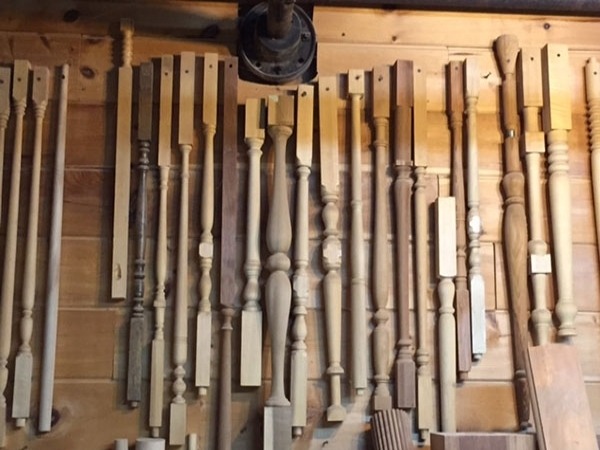
Wooden balusters shape the structure and pattern of an interior staircase. They are essential components that support both the rail system. At Arnold Wood Turning, we produce components that integrate into stair layouts, helping both homeowners and professionals work through the planning stage with confidence.
Using Wooden Balusters for Stair Projects
Planning a staircase starts with understanding how balusters will function within the layout, how they align with any newels, how they connect to the rail, and how they repeat through the staircase as a whole. Getting these details clear early makes the rest of the project easier.
Homeowners typically focus on matching the staircase to surrounding trim and flooring. If you’re a builder or designer, you should consider how many sections or transitions are involved and whether the balusters need to coordinate with an existing rail system.
Cypress, mahogany, maple, oak, and poplar are frequently selected for wooden stair balusters.
If you’d like to compare specific baluster profiles or see how others have incorporated wood components into their stair designs, you can browse our dedicated wood baluster category, review newel post options for companion parts, or look through our architectural project gallery for real-world examples.
Request a Free Quote
If you’re preparing for a stair upgrade or new interior rail layout, send over photos, a basic description of your staircase, or any existing plans. We’ll help outline which wooden balusters may suit your layout and what information is needed for the next steps.
Common Uses for Wooden Balusters for Stairs
Typical applications include: